hacklink hack forum hacklink film izle hacklink giftcardmall/mygiftmatbet girişmostbetcasibom girişcasibomcasibomGalabetGalabetGalabetholiganbetagb99jojobetonwinmatbetalobet

Catégorie : Actualités

  • Test post title

    Test post content

  • Test post title

    Test post content

  • Test post title

    Test post content

  • Test post title

    Test post content

  • Why a Multichain Wallet on BNB Chain Changes How You Swap — and What That Means for You

    Whoa!

    Okay, so check this out — I’ve been noodling on DeFi UX for years, and somethin’ about the swap flow still bugs me. My first impression was simple: swaps should be frictionless. But then I watched three different wallets route the same trade in three different ways and realized user experience is the hidden tax everyone pays. That disconnect matters because the chain, the wallet, and the swap engine all influence slippage, approvals, and user trust in ways most guides gloss over.

    Really?

    Here’s the thing. BNB Chain has matured fast, with more liquidity bridges and DEX options than many people realize. Initially I thought BNB Chain would be mainly for cheap transfers, but then realized its low fees and growing DeFi stack make it a practical hub for multiservice wallets. On one hand you get speed and cost-efficiency; on the other hand, bridging and cross-chain composition introduce security and UX complexity that wallet teams must solve. My instinct said the simplest wallets would win, though actually the winner might be the one that smartly stitches multiple chains together without freaking the user out.

    Hmm…

    When I first toyed with an integrated swap inside a multichain wallet, it felt weirdly powerful. The swaps were faster, and I didn’t have to juggle addresses. But there were trade-offs — approvals cluttered the screen, token routing sometimes took a detour that cost me dollars in slippage, and the UI didn’t always explain why a route was chosen. I’m biased toward wallets that show me the route and why it matters, even if that means more details to parse. (Oh, and by the way… some folks will hate extra details. That’s fine.)

    Seriously?

    Let me give you a real example from a few months back. I was testing a cross-chain swap that started on BNB Chain and landed on an Ethereum L2. The wallet suggested a bridge plus DEX combo that saved on gas but added two confirmations and a relay step. At first the swap looked like a bargain, but the timing mismatch introduced more slippage than expected. That moment taught me that best price doesn’t always equal best outcome when UX, timing, and user tolerance are factored in. So you learn to weigh speed, cost, and cognitive load differently.

    A sketch of a multichain wallet showing swap routes and confirmations

    Practical choices for Binance ecosystem users

    If you’re deep in the Binance ecosystem and want a multichain wallet that handles DeFi without drama, consider how the wallet manages routing, approvals, and chain context — that’s where day-to-day friction lives. For a hands-on look at a multi-blockchain approach that integrates BNB tooling and swap UX, check out binance which shows some of the design patterns I keep coming back to. What matters most is whether the wallet gives you control without making you a DeFi mechanic — approval batching, gas estimation across chains, and transparent route choices do that. Also, if a wallet hides fees or automatic bridges, I’m immediately skeptical; transparency drives long-term trust.

    Whoa!

    Design-wise, the wallet should do three small things very well. First, default to the cheapest safe route and show alternatives. Second, minimize approval prompts by using permit-style approvals when available. Third, show clear pre-trade estimates that include bridge slippage and time-to-finality. These are simple ideas, but executing them against multiple chains and DEX aggregators is surprisingly hard. I’ll be honest — implementing permissionless cross-chain swaps without exposing users to partial failures is one of the trickiest engineering problems I’ve seen.

    Really?

    Security trade-offs are subtle. A wallet that auto-bridges for « best price » might be leveraging a third-party router that adds a custody-like risk surface. Initially I thought offloading complexity to external aggregators was fine, but then I saw edge-case failures where funds were delayed mid-bridge and customer support couldn’t resolve it quickly. On one hand, aggregators offer great pricing; on the other hand, they add another trust layer. So the pragmatic approach is a hybrid: smart defaults plus clear fallback options and a visible link to provenance when possible.

    Hmm…

    From an engineering POV, BNB Chain’s low gas environment opens opportunities for UX experiments that are painful on higher-fee chains. For example, you can present more confirmations in real-time without bankrupting the user. That enables « anticipatory UX » — telling users what likely happens next while the chain processes the transaction, which reduces anxiety. But anticipatory UX must be honest; if a wallet implies instant finality when it’s not guaranteed, users lose faith fast. This part bugs me a lot — fake speed is worse than slow clarity.

    Seriously?

    Here are some practical features I want to see as standard in a multichain DeFi wallet on BNB Chain. Route transparency with cost breakdown, a one-tap « expert mode » for pro traders, permission batching to cut redundant approvals, and localized gas estimation that factors bridges and L2 finality. Also, integrated fiat rails that let small users onboard without leaving the app would unlock a new wave of adoption. Not all of these are trivial, but they are doable, and teams that ship them will have a real edge.

    Whoa!

    Wallet recovery models deserve attention too. Recovery via social guardians or threshold signatures can be more user-friendly than seed phrases, but those models must be implemented with clear trade-offs. My instinct said seeds are old-school, but then I watched non-technical friends panic at a lost seed and realized user-friendly recovery is a growth problem, not just a security debate. So product teams should treat recovery as a primary UX flow, not a checkbox.

    Really?

    Economics matter. Because BNB Chain is cheap, microtransactions like gas estimation checks or pre-flight simulations become affordable, and that enables better UX such as showing simulated slippage before the user signs. But developers must ensure those checks don’t create false confidence; simulations are heuristic, not guarantees. On a personal note, I appreciate wallets that tell me the confidence level of a simulation — that nuance matters.

    Hmm…

    Adoption is social. If your wallet is easy to connect to dApps and shows clear chain context when a dApp asks for signatures, users will trust it more. I’ve seen too many people accidentally sign transactions on the wrong chain because the UI looked similar across networks. So the visual language — chain badges, color coding, subtle microcopy — is as important as the routing algorithm under the hood. Small things reduce big mistakes.

    Whoa!

    Okay, a quick checklist for users in the Binance ecosystem who want a multichain DeFi wallet that actually helps them: look for clear route visualization, minimal and batched approvals, honest trade simulations, robust recovery options, and active open-source contracts you can audit. Also watch how the wallet handles failed bridge hops and whether it provides remediation steps. I’m not 100% sure any wallet nails everything yet, but some are getting very close.

    Here’s the thing.

    DeFi on BNB Chain with swap functionality inside a multichain wallet is not some distant future; it’s here, imperfect and evolving. My belief is that the next winners will be products that balance transparency, safety, and simplicity — in that order. The rest will be noise. If you keep one takeaway: prefer wallets that make trade-offs visible rather than invisible. That trust compound interest pays off over time.

    FAQ

    What should I prioritize when choosing a multichain wallet for DeFi on BNB Chain?

    Prioritize transparency and recovery. Specifically, check for route visibility, clear gas and slippage estimates, and a recovery model you actually understand. Also verify if the wallet batches approvals and whether it uses proven, audited bridge and swap contracts. Don’t chase the highest quoted APR without understanding how swaps and bridges will affect your realized return — fees and slippage eat into gains fast.

  • How to avoid getting slashed while staking ATOM and moving tokens with IBC — practical, sane steps

    Okay, so check this out — slashing terrifies people. Whoa! Seriously, it does. You put your ATOM on the line and then, blam, a validator slips up and your stake shrinks. My instinct said « just trust big validators », but then I dug in and realized it’s messier than that: downtime, double-signing, chain upgrades, and human error all play parts. I’m biased toward self-defense: you can reduce risk without being paranoid. Here’s what I do, why it works, and what to watch for when you move tokens over IBC.

    Short version first. Hmm… choose reliable validators, split your stake, use hardware signing where possible, and keep an eye on uptime. Medium version: understand what triggers slashing (downtime, double-signing), how delegations and unbonding interact with IBC transfers, and what tools can help you monitor and recover. Longer thought: if you’re running a validator, you must treat your signing key like a loaded gun — only one active signer, automated failover carefully designed, and robust monitoring; otherwise the risk compounds in ways that are hard to undo.

    (oh, and by the way…) If you’re using a wallet that makes IBC transfers and staking manageable, that honestly changes the UX. Keplr is the door most Cosmos users walk through — it’s convenient and integrates staking flows and IBC transfers nicely if you want a practical starting point: keplr wallet. That’s the only tool I’ll name here, deliberately — and yes, I use it often.

    What « slashing » actually is — the mental model

    Quick snapshot: slashing is an on-chain penalty applied to validators and their delegators when rules are broken. Short: downtime and double-signing are the usual suspects. Medium: downtime means a validator missed too many blocks; double-signing is when two blocks are signed for the same height/round (bad). Long: chains set parameters (slash fractions, jail durations, unbonding times) and those vary, so a misbehaving validator on one chain might cost you more than on another — you need to check chain-specific configs before you delegate.

    Initially I thought slashing was rare. Actually, wait—let me rephrase that: it’s rare for the big players, but small validators with shaky infra can trigger it often. On one hand, many validators have great ops; on the other hand, upgrades, botched migrations, and human errors still cause interruptions — so don’t assume safety just because a validator has a nice website.

    Delegators: practical steps to protect your ATOM

    Here’s a practical checklist I use. First, diversify your delegation across a few reputable validators — not all eggs in one basket. Second, check uptime metrics and how often validators have been jailed historically. Third, vet operator practices: do they use hardware signing, do they publish upgrade schedules, are they responsive on social channels? Fourth, consider slightly avoiding the highest-commission validators if their uptime history is dicey.

    Whoa! Quick tip: micro-managing many tiny delegations is more hassle than it’s worth, but spreading across 3–5 validators gives meaningful risk reduction. If a single validator gets slashed, the hit is only on that portion. Also, don’t chase the highest APR blindly — short-term yields can come with long-term slashing risk.

    One real-world tangential thing that bugs me: people often move stake impulsively right before a planned upgrade (for reasons I don’t fully get). That behavior increases chances of being caught in unbonding or losing rewards; just check the validator’s upgrade announcements. I’m not 100% sure why everyone’s so eager to move at the last minute — but seen it many times.

    Validators / operators: how to build slashing protection into infra

    Operators, listen up — this is the heavyweight part. Keep your signing key offline as much as possible. Use a remote signer (like a hardware security module or Ledger backing) and only allow a single active signer to touch the key. Do not run the same private key on multiple unsynced nodes. Seriously — that’s the fastest route to double-signing. Implement careful failover: one hot signer, one warm standby that you can promote after careful checks, with clear runbooks.

    System 2 thinking: initially I thought redundant nodes were all good, but then realized redundancy without a single source of signing truth is a double-signing hazard. On the flip side, over-centralizing signing without backups creates downtime exposure. So actually, the correct approach balances failover and exclusivity. Use fencing mechanisms and automated healthchecks that ensure only one signer is active. Monitor end-to-end, and test failovers in a low-stake environment before doing it under load.

    Here’s another nuance: some operators use automated « slashing-protection » scripts or databases that track signed messages to avoid accidental double-signs; this is a good practice. Also, have alerts for mempool stalls, block latency, and missed precommits. This isn’t glamorous ops work, but it’s the core of safe staking infrastructure.

    Monitoring dashboard showing validator uptime and IBC transfer status

    IBC transfers and slashing — the tricky interaction

    IBC moves tokens between chains. Short: staking is chain-specific. If you delegate ATOM on Cosmos Hub and then move what you think are « staked tokens » over IBC, that’s not how it works. Medium: you can’t transfer bonded tokens without first undelegating — the tokens are locked by the staking module and follow the unbonding period. Long: some bridge or synthetic token setups can wrap or represent staked value elsewhere, but those carry different risks (counterparty, smart contract, or liquidity risks). So don’t confuse an IBC transfer with « moving my stake safely ».

    Something felt off about the way many guides gloss over timeouts and relayer reliability. If you send an IBC transfer with a short timeout and the relayer stalls or the destination chain pauses, your transfer can time out and funds can return or be in limbo — that’s an operational headache. If those funds were part of a larger staking plan, your timing matters.

    Practical rule: plan IBC transfers outside of validator maintenance windows and avoid trying to shift delegated stake during upgrades. Also, if you’re using cross-chain strategies (like moving tokens ON-CHAIN to earn something else), understand the unbonding window and sequence your actions so you aren’t exposed during an upgrade or heavy network congestion.

    How I personally monitor and respond

    I’ll be honest — I don’t babysit my stakes 24/7. But I do set automated alerts. I watch validator health on explorers and set Slack/email alerts for downtime and jails. I keep a small portion of my stake on a validator I trust as a « cold safety net » and split the rest across two others. When I move tokens via IBC, I schedule transfers during US daytime hours when relayer maintainers and operator teams are more likely to respond quickly. I’m biased toward availability — better to be online and watchful than to assume happy-path conditions.

    Also, backup keys. Keep them separated physically. Somethin’ about having a redundant hardware wallet in a different safe makes me sleep better. Double-check signatures before broadcasting. Small friction, big payoff.

    FAQ

    What exactly causes most slashes?

    Mostly two things: downtime (missing too many blocks) and double-signing (equivocation). Each chain defines the thresholds and penalties. Delegators share the same fate as the validator they delegate to, proportional to their stake.

    Can I avoid slashing completely?

    No—there’s always residual risk. You can reduce it dramatically by choosing good validators, diversifying, using hardware signing, and monitoring. If you’re running a validator, strict signing policies and tested failover are essential.

    Does moving tokens via IBC change my slashing exposure?

    IBC itself doesn’t cause slashing, but poor timing can expose you operationally. If you undelegate and try to IBC-transfer during unbonding, you might be locked or miss opportunities. Know your unbonding period and plan transfers outside maintenance windows.

  • Why Dex Analytics Became My Morning Coffee — and Why They Should Be Yours Too

    Okay, so check this out—I’ve been watching on-chain dashboards for years. Wow! The first thing that hits you at 7 a.m. is raw motion: trades, liquidity shifts, memes moving value faster than anything institutional could. My instinct said this would settle down. Hmm… actually, wait—things kept getting weirder. Something felt off about relying on a single price feed. Seriously?

    Here’s the thing. Short-term spikes look sexy, but they can be ghost towns five minutes later. On one hand a token can show massive volume. On the other, the liquidity might be split across tiny pools that collapse under a modest sell. Initially I thought volume equals conviction, but then realized that a lot of what we call « volume » is just bots pinging each other. There’s real alpha buried in the noise though, if you know where to look.

    Let me be honest: I’m biased toward tools that show depth, not just price. This part bugs me—too many dashboards parade price charts without context. I like seeing who provides liquidity, the range of bids, chain activity across bridges, and big wallets nibbling in the shadows. Pretty sure most traders just glance at price and miss the narrative. (oh, and by the way…) these narratives matter when you trade fast.

    Whoa! That last paragraph was kind of a rant. Okay, back to the point. Dex analytics are the pair of glasses most traders slept on for too long. They solve one core problem: visibility. Without that, you’re flying blind, especially on new listings. My first decent trade using live pool depth saved me from a rug pull—true story. I still get a little sweat thinking about that night.

    Screenshot of a DEX analytics dashboard showing liquidity and order depth

    How to Read DEX Data Without Getting Distracted

    Start by filtering noise. Really. A token with « huge » volume and negligible depth is a red flag. On the flip side, slow steady inflows over hours often indicate real interest, not just wash trading. My workflow: check liquidity distribution, scan recent big transfers, and then look for concentrated holder patterns. If two wallets hold 70% of supply I walk away fast.

    Check this out—if you want a reliable tool for those steps, try using aggregated analytics that combine pool-level metrics with wallet activity; I often click through and bookmark sources I trust, and you can find the app I use linked here. Seriously, one clean UI that shows both volume spikes and where that volume sits in the pool saves time. I’m not saying it’s perfect. I’m not 100% sure any single tool is enough by itself. But it’s a start.

    Something felt off at first when I started relying on dashboards; I assumed they were neutral. Then I noticed biases—some trackers favor well-known pairs and underreport new chains. There’s no perfect vantage point. On one hand the data is honest. On the other hand it can be sharded and delayed across RPC nodes, which skews perceptions during fast moves. So cross-check. Always cross-check.

    Wow! Also, don’t ignore token contract inspection. Medium-length sentences are good for explanations but contract details often tell the real story: mint functions, pausability, owner privileges. Small flags here change the odds dramatically. My instinct flagged a token last quarter because of a hidden owner-only mint call — and yep, that token later diluted holders. Lesson learned: analytics plus code review beats either alone.

    People ask me about indicators. Hmm… I used to rely on RSI and moving averages like everyone else. But those are lagging for fresh listings. Instead, watch trade size distribution. Micro trades stacked over time mean retail interest. One or two whale buys followed by wash trades often signal manipulation. On papers it’s subtle; in practice it’s loud. You feel it before the chart catches up.

    Whoa! There’s also timing. US traders tend to act around market opens, but crypto never sleeps. Liquidity windows matter. A thin pool at 2 a.m. ET can break from a 10 ETH sell, while the same pool at 2 p.m. ET might withstand bigger pressure. Time-of-day liquidity patterns are underappreciated. I track them because they tilt the risk math for scalps vs. swing trades.

    Here’s what bugs me about snapshots: they lie by omission. Snapshotting ignores pending transactions, mempool congestion, and cross-chain latency. I remember a token that looked fine on a daily chart but had dozens of pending sells clogging the mempool—slippage exploded when those transactions executed. So add mempool visibility to your checklist when possible.

    My gut says traders who blend on-chain analytics with common-sense risk limits fare better. Seriously. Set slippage caps, size positions conservatively on new pools, and protect profits early. Nothing fancy. The mechanics: small position sizing, clear stop rules, and an exit plan if an on-chain whale moves. Most losses come from failing to respect those basics, not from missing a moonshot.

    Okay, let me rephrase that—you don’t need shiny indicators to be safe. You need information you can act on quickly. Depth charts, large transfer alerts, liquidity provider movement, and contract flags are the core set. After that, waveform patterns and sentiment add color, but they’re secondary. My trades improved the day I stopped treating price as the whole story.

    Quick FAQs That Actually Help

    How do I spot wash trading?

    Look for volume spikes without corresponding changes in unique buyer counts, and check if the same wallets keep showing up in both buy and sell legs. Also watch for rapid repeated trades in tiny increments. If volume is high but the number of distinct counterparties is low, that’s a strong sign of wash activity.

    What’s a safe slippage setting for new pools?

    For tiny pools, start with 1–2% at most and consider even tighter if depth is shallow. For moderate pools with clear depth, 3–5% might be workable. Honestly, I’m biased toward smaller trades initially—test the pool with a micro trade and scale up only if the expected slippage matches your model.

  • Présentation de 3A Réseaux

    Présentation de 3A Réseaux

    [et_pb_section bb_built= »1″][et_pb_row][et_pb_column type= »4_4″][et_pb_text _builder_version= »3.19.14″]

    Créée en 2004, la société 3A Réseaux propose des solutions dans le domaine des courants forts et les courants faibles. Reconnues pour notre professionnalisme et la qualité de nos prestations, nous avons su nous développer dans un contexte difficile.

    Nos compétences dans les courants faibles portent sur l’installation de câblage Voix Données Images (RJ45)(vers VDI), détection incendie(vers détection) , intrusion( vers intrusion) , vidéo et contrôle d’accès (vers sécurité des bâtiments).

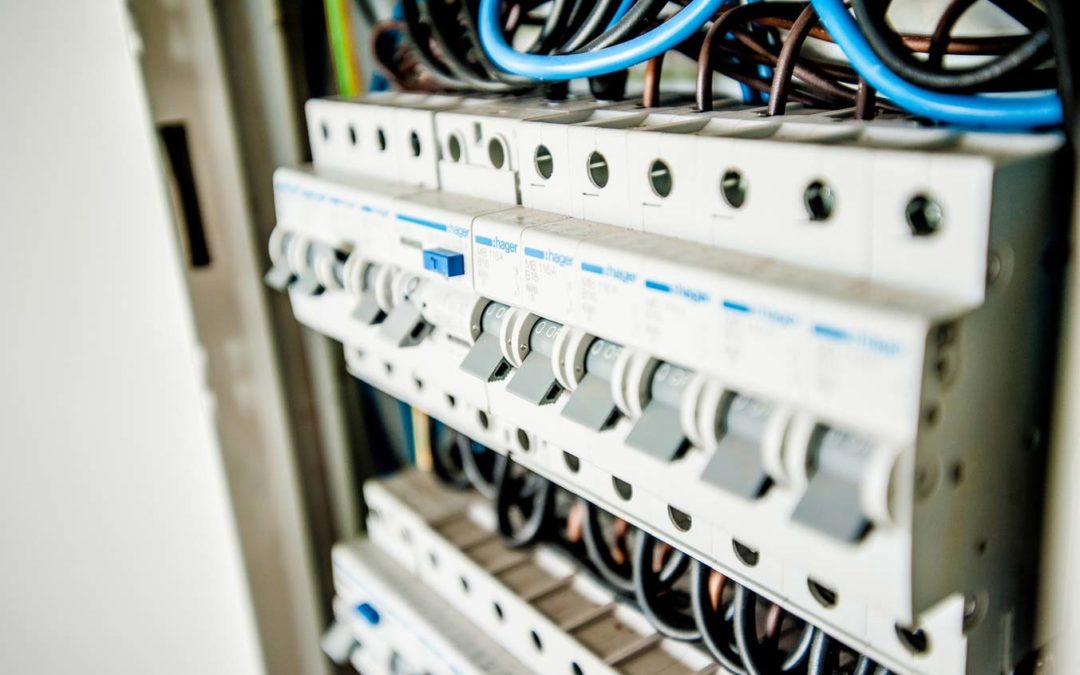
    Dans le domaine des courants forts, nous effectuons toutes l’installation électrique de vos locaux, en neuf et en rénovation  (lien vers installation électrique)

    Nous réalisons également des contrats de maintenance(lien vers contrat de maintenance), préventive et curative, afin d’assurer le bon fonctionnement de vos installationsvotre entreprise

    [/et_pb_text][/et_pb_column][/et_pb_row][/et_pb_section]
